Saturday, April 10, 2010
 Heretat de Cesilia cellar
To the south of Valencia in the province of Alicante, lies the town of Novelda, famous for its marble industry and spices and seasonings of the mark Carmencita. There we found the winery Heretat de Cesilia, a modern winery, but charming built around the home of the Marques de La Romana to the early eighteenth century.
Access to the cellar is easy from the A-31 road towards Alicante or Madrid, always looking for the train station and an access road to the farm. Dispose farm 30 hectares of vineyards to produce wine, with varidades as Monastrell, Cabernet Sauvignon, Merlot, Syrah, Petit Verdot, Chardonnay, Macabeo and Albariño among others. The rest of the farm produces table grapes, such as in Spain we usually consume each December 31 to the sound of 12 bells.
Access to the cellar is easy from the A-31 road towards Alicante or Madrid, always looking for the train station and an access road to the farm. Dispose farm 30 hectares of vineyards to produce wine, with varidades as Monastrell, Cabernet Sauvignon, Merlot, Syrah, Petit Verdot, Chardonnay, Macabeo and Albariño among others. The rest of the farm produces table grapes, such as in Spain we usually consume each December 31 to the sound of 12 bells.
Upon arrival found a large door, surrounded by Frand chains that lead us to a modern style building, where the reception, tasting room and store its products. Once gathered in a meeting that begins a visit to the site. In this case we have been with Nuria and Patricia have taken us around the winery, making a brief and concise explanation of the important details and routine of running it.
We visited the house in 1707 the Marques de La Romana of the time, with the tools and the restoration of the same (say that the present owners, of Galician origin, live there), going to see a small garden with two precious jewels, a tractor of the early twentieth century and a sea anchor of a ship of the era brought there from the north of Spain.
We visited the house in 1707 the Marques de La Romana of the time, with the tools and the restoration of the same (say that the present owners, of Galician origin, live there), going to see a small garden with two precious jewels, a tractor of the early twentieth century and a sea anchor of a ship of the era brought there from the north of Spain.
The wine starts, after harvesting, with a manual selection of the best grape beans. The type of agriculture practiced is of organic origin, without pesticides thus attempting to create a parallel to the vineyard habitat for insects and using biological traps to prevent them from damaging the fruit or plant.
The selection of the fruit goes through a soft crushed to stainless steel tanks inside a building, these are so conical, with cold maceration prior. During the fermentation process and the passage between the upper deposits (15,000 lts. Each) is possible 'stirring and battonage' manuals and pumping to get extract the maximum flavor and color to red wine. The white and rosé (more rosé elected in 2008) are pressed to get the juice with their original colors of the variety itself, discarding the skin of the same.
A fermented is stored in these tanks and the best selection of grapes are aged in French oak barrels, American and Eastern Europe, each variety separately, and then make the 'blend' and is bottled for further bottle aging .
The visit ended with a tasting of 2 wines discussed by the 'summiller' of the house along with a tasting of dried beef and pork Galician awakened our senses. The first wine was Azal 2008, Macabeo, Chardonnay Albariño, with a bright yellow, oily and rich, with primary aromas to futas as pear or apricot, with the right acidity, a dry wine easy to drink and postnasal memories of pineapple and peaches in syrup.
Lizana, 2005, is a very rich red wine, a young but well preserved, without losing a bit of fruitiness, varieties such as Merlot (majority), Monastrell, Petit Verdot and Syrah, cherry color with ruby trim, evokes in nose currants, red plums, licorice and Mediterranean undergrowth, easy to drink in the mouth with a bitter mouth sensation typical of the predominant grape (Merlot) and evolution of licorice and leather, as well as ripe cherries.
At the end we have been delighted with the visit that we have completed with a visit to the castle and monastery of Santa Magdalena de Novelda, ending with a meal at a local restaurant and enjoy a day strawberries but sunny and pleasant.
Thursday, April 8, 2010
Wine tasting in the D.O. Utiel-Requena for bloggers
Firstly thank catavino.es, the regulatory council DO Utiel-Requena and participating wineries, that together made the day 1st Meeting for Wine Bloggers a fun, entertaining and above all rewarding.
There were 17 wineries in the D.O. Utiel-Requena who showed us their flagship products, the variety Bobal as the star of the event, but also had fabulous varietal itself fostered discussion and chat among attendees and winemakers.
I would say that all the wines tasted are backed by the professionalism of everyone involved in it, the end of the day people are those with their chores and tasks, put your senses from the field to the cup, excellent treatment by all those who were at the event.
There were 17 wineries in the D.O. Utiel-Requena who showed us their flagship products, the variety Bobal as the star of the event, but also had fabulous varietal itself fostered discussion and chat among attendees and winemakers.
I would say that all the wines tasted are backed by the professionalism of everyone involved in it, the end of the day people are those with their chores and tasks, put your senses from the field to the cup, excellent treatment by all those who were at the event.
Highlight, without detracting from anyone, wines that I was fascinated by my character, texture and always trying to give my personal impression, that like all things, may or may not like. That is why I want to emphasize the two single-varietal Bobal that my particular taste were the best of the evening.
The first is "Olivastro" of Bodega y Viñedos Carres, a young winery run by Jose Luis Torres Carpio, I think many will agree to sell and I knew I was captivated by its powerful color and texture with vivid violet, very satiny, with aromas of ripe red fruit just biased by a fragrant wood, tannin still persistent, with an invitation to drink for a toast and persistent aftertaste of ripe fruit. A very good choice of this varietal.
After tasting wines are very interesting as "Bobal" of Dominio de la Vega, very fruity, fresh, with purple tones are very interesting, good presentation, but perhaps too fruity in the mouth and over-roasted and licorice, goes on sale the month next (May) and I hope to be successful, the rosé "Viña Enterizo" and "Marqués de Caro" I was surprised by its fruitiness and freshness, the variety Bobal note that this wine was given a clean color and very evocative aromas of strawberries and raspberries, and rosé bobal hit hard in this segment, sparkling bobal Pago de Tharsys I was in the ink, but I promise to try and discuss their impressions. A young red varietal bobal was the Bodegas Utielanas "Vega Infante" very powerful and meaty, ideal to accompany a meal of sausages in the area. But the second bobal which was excellent, too, was "Bobalia" Vereda Real, a wine after aging for 3 to 5 months in oak from different sources implying a much more brick red color, more mineral, balsamic and high polish in the mouth, perhaps more traditional and yet different from what was tested in the evening.
The first is "Olivastro" of Bodega y Viñedos Carres, a young winery run by Jose Luis Torres Carpio, I think many will agree to sell and I knew I was captivated by its powerful color and texture with vivid violet, very satiny, with aromas of ripe red fruit just biased by a fragrant wood, tannin still persistent, with an invitation to drink for a toast and persistent aftertaste of ripe fruit. A very good choice of this varietal.
After tasting wines are very interesting as "Bobal" of Dominio de la Vega, very fruity, fresh, with purple tones are very interesting, good presentation, but perhaps too fruity in the mouth and over-roasted and licorice, goes on sale the month next (May) and I hope to be successful, the rosé "Viña Enterizo" and "Marqués de Caro" I was surprised by its fruitiness and freshness, the variety Bobal note that this wine was given a clean color and very evocative aromas of strawberries and raspberries, and rosé bobal hit hard in this segment, sparkling bobal Pago de Tharsys I was in the ink, but I promise to try and discuss their impressions. A young red varietal bobal was the Bodegas Utielanas "Vega Infante" very powerful and meaty, ideal to accompany a meal of sausages in the area. But the second bobal which was excellent, too, was "Bobalia" Vereda Real, a wine after aging for 3 to 5 months in oak from different sources implying a much more brick red color, more mineral, balsamic and high polish in the mouth, perhaps more traditional and yet different from what was tested in the evening.
The different varieties of Bobal were also in good shape, I am also with two, although there is a third that I liked a lot. It surprised me a varietal Merlot Vera de Estenas "Martinez Bermell" fermented in new oak, ruby color with a clean, very jovial and serious at once, with a memory of red fruits, vanilla and toast, very surprising to the palate well put together with wood and perhaps lacked the presence of Felix Martinez, we have further explained the secrets of this wine. The more complex wine to my taste was "Las Ocho" of Chozas Carrascal, one that combines 8 different varietal grapes with a 'coupage' very difficult to achieve, but you have a tremendous complexity, balaj ruby color, bright and clean first glance, the nose it shades fruit, some cinnamon and vanilla and toasty aftertaste reminiscent of far away, especially chocolate and a touch mineral is not very marked. "Excelencia Edición Limitada" of Emilio Clemente, wine author, was the last wine I could test and it seemed a good choice, ruby red hue, with powerful aromas of ripe fruit, balanced, invited to drink in the mouth is noted sweet tannins lead to a tour postgustal a toasted and roasted aromas with light chocolate.
In the end a perfect evening, where I met other bloggers of Alicante, Madrid, Barcelona and Valencia, I was very well received by people of the Regulatory Council Utiel-Requena and of course thanks to the work of the winemakers and winery representatives who delighted us with their best products and hope to appointments as interesting as this.
In the end a perfect evening, where I met other bloggers of Alicante, Madrid, Barcelona and Valencia, I was very well received by people of the Regulatory Council Utiel-Requena and of course thanks to the work of the winemakers and winery representatives who delighted us with their best products and hope to appointments as interesting as this.
Saturday, April 3, 2010
Vega Palancia Cellar (Castellón)
 For a long time in one of my post I posted a note on the wines of the province of Castellón, unknown wines that have traditionally turned to producing after the abandonment occurred in the 50-60 years of last century.
  Today we visited a winery in the heart of the Sierra de Espadán, about 40 km from the city of Valencia, located in the province of Castellón inland.
This winery is family court, producing about 6,000 bottles of red wine between table wine and nurturing Wines belonging to the area Vinos de la Tierra, in this case IG Castellón. The heart of the Sierra del Espadán, is rich in springs of very pure water and with little minerality, vegetation is Mediterranean, from mountain emphasis on plants as rosemary, thyme and others, and the trees dotting the landscape are pines, olive and a cork.

This winery has a 6 ha. vineyard with varieties such as Tempranillo, Cabernet Sauvignon, Syrah and Merlot, plants young people, nestled in the quiet little Almaroz Valley, nestled between the foothills of the Sierra de Espadán and Palancia River in the municipality of Soneja. The south-southeast, about his situation 400-500 m. above sea level and about 12 km of coastline, and the composition of the soil makes this place ideal for growing vines.

The winery is located in the town of Azuébar, less than 10 km from the growing area. Harvesting is done manually and transported in boxes of 15 kg and chilled so it will not cause any micro fermentation, there is deposited oak barrels from 2000 to 3000 liters of capacity, where maceration at controlled temperature fermentation and then produce the wine. With gentle pumping over the wine remains in the barrels to be decanted into barrels French oak, where lie at least 12 months, then returned to oak casks and then bottled rounded to the bottle for 6 to 12 months.


The result is Black Label Palancia Vega, red wine varietal that after this long aging becomes a show all senses, underlines its deep red color, glyceric, with aromas of ripe fruit, hints of cinnamon and vanilla roasted background. The palate has good acidity, long drink, powerful, fleshy, with rounded tannins and mature.

The wine is tasted the 2006 vintage and now goes to the market and the family and special character of this winery and its owner, José Manuel Molina, expect great vintages and fine wines in the future. The ingrained way of doing the wines, following the family tradition, looking for a high level of quality and excellence, make it unique enjoy this wine at any time and understand the complexity and the naturalness of a mature development patient in our palate.
Friday, April 2, 2010
Wines of the week (March 27th -April 1st)
Although I refer to last weekend as the beginning of my personal taste, to say that I've tasted three wines are completely different and more and more wineries, without being great, make great wines and palatable, especially affordable to the pockets of today.

Saturday began the week with a wine cellar is unknown to me as Simon de Montfort, it seems that is a second mark of the hold of Fontanars dels Alforins (Valencia) Daniel Belda. A winemaker in the Valencian Community which is developing very good wines and projection, as well as various related activities viniviticultura.
In particular we tested the Simon Monfort Cabernet Sauvignon, aged from 2004 . A wine to open it denoted a good drink alcohol, 11 months in oak (French and American, maybe some Eastern European), a deep red color, very bright, just glycerin, from free-run juice and aromas, which after being open half an hour, appreciated the wood, very mixed between red fruits like strawberries and currants. In the mouth could be seen high acidity, like a young wine to drink long aftertaste Mediterranean aromas of scrub (rosemary, thyme ,...) and some toast.

Already during the week and with the little time left to enjoy a glass of wine, we tested a young wine Grenache based, particularly in the highlands Zaragoza, Calatayud. In their homelands semidesert born 2008 Garnacha de Fuego, a wine produced by Bodegas Ateca, Orowines group. This wine glass upon entering the fruit conjures up some amazing scents, the shake becomes more mature as the aroma of red fruits. The color is impressive with a layer of gloss that highlights the merits cherry ripe. The palate is very soothing, very cool and easy to drink, with a fruity aftertaste and mineral grains, which evokes the terrain where it originated.

The third wine, which now I have in my cup, a wine from Valencia, from Bodegas Enguera, Angelical 2006, a wine that is a 'blend' of three very distinct varieties such as Tempranillo, Syrah and Monastrell with a 12-month parenting Central European oak barrels, a deep cherry red, very expressive nose, floral notes evokes mixed with chocolate in your mouth sweet and easy drinking with ripe tannins, with an aftertaste suggestive and expressive where it is easy remember blueberry, chocolate, oak, some spice and black pepper ...
Anyway highly recommended wines for less than 6 euros is not to be missed to evoke that in this country are rich varieties, land very different and very promising wines.

Saturday began the week with a wine cellar is unknown to me as Simon de Montfort, it seems that is a second mark of the hold of Fontanars dels Alforins (Valencia) Daniel Belda. A winemaker in the Valencian Community which is developing very good wines and projection, as well as various related activities viniviticultura.
In particular we tested the Simon Monfort Cabernet Sauvignon, aged from 2004 . A wine to open it denoted a good drink alcohol, 11 months in oak (French and American, maybe some Eastern European), a deep red color, very bright, just glycerin, from free-run juice and aromas, which after being open half an hour, appreciated the wood, very mixed between red fruits like strawberries and currants. In the mouth could be seen high acidity, like a young wine to drink long aftertaste Mediterranean aromas of scrub (rosemary, thyme ,...) and some toast.

Already during the week and with the little time left to enjoy a glass of wine, we tested a young wine Grenache based, particularly in the highlands Zaragoza, Calatayud. In their homelands semidesert born 2008 Garnacha de Fuego, a wine produced by Bodegas Ateca, Orowines group. This wine glass upon entering the fruit conjures up some amazing scents, the shake becomes more mature as the aroma of red fruits. The color is impressive with a layer of gloss that highlights the merits cherry ripe. The palate is very soothing, very cool and easy to drink, with a fruity aftertaste and mineral grains, which evokes the terrain where it originated.
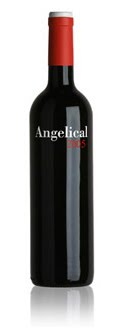
The third wine, which now I have in my cup, a wine from Valencia, from Bodegas Enguera, Angelical 2006, a wine that is a 'blend' of three very distinct varieties such as Tempranillo, Syrah and Monastrell with a 12-month parenting Central European oak barrels, a deep cherry red, very expressive nose, floral notes evokes mixed with chocolate in your mouth sweet and easy drinking with ripe tannins, with an aftertaste suggestive and expressive where it is easy remember blueberry, chocolate, oak, some spice and black pepper ...
Anyway highly recommended wines for less than 6 euros is not to be missed to evoke that in this country are rich varieties, land very different and very promising wines.
Sunday, March 21, 2010
Finca Loranque Winery


In Bargas, a municipality located approximately 15 km from Toledo (Spain), is Finca Loranque Winery, beside the Guadarrama river and a sandy-clay, among olive trees are farm lands, which although extensive, only spend about 42 ha. the cultivation of the vine.
Reaching this eighteenth century building, former home of field work and built with the architecture of Toledo then, is a bit risky, since the path is bordering fields and even crossing the river, but it's worth a little adventure , especially after a rainy winter like this, to see how the rivers return to normal. On the morning of Friday 19 March was an adventure for us because we had no appointment and we knew that the cellar had a special day with lunch included upon request.


 Upon arrival you discover as planting vines on trellises, sits on a fertile sandy-clay, so you can think of high production of grapes and therefore of poor quality, but the tour will explain why this does not so.
 We were received politely, along with 15 others, which seems to be had arranged visit, and began the visit with the comment that green pruning is performed to leave only half of clusters on the plant to produce such a result of more quality and soak the ground for imposing feature of his character. On the farm we were surprised by the lack of a receiving hopper grape, but told us that the harvest is done by hand and placed in boxes of 15 kg. maximum, and then moves to a selection table which is dumped in clusters that do not meet an expected quality.
It is vinified using the filling of stainless steel tanks by gravity, entering the whole fruit in them, there is a cold maceration for a few days after control of alcoholic fermentation, which is followed by pumping the liquid until it takes the color and It wants fruit flavor. The leftover skins are pressed to mix with grape juice and then flower and get the wine.

In another building is the bottling room and storage bottles to finish developing their upbringing as well as the store of bottles and packed ready for departure to the consumer.
In the end we conducted a tasting room in a modern designed for that purpose, which we tested 4 of their wines. The first was a Lacruz Tempranillo-Syrah maroon with a bright, clean, with primary aromas of fresh fruit, a touch of acidity typical of a young wine, and short aftertaste. Subsequently, the range Lacruz least expected the single-varietal Cabernet Sauvignon, a wine also very clean and bright, more expressive on the nose, powerful, smoothly evoking wood and a long aftertaste of ripe fruit and persistent, to me the most elegant wine of those tested, in this series.

The remaining two we tasted were Finca Loranque Syrah-Tempranillo wine aged 12 months, a fruity wine with hints of wood, very round and polished in the mouth and aftertaste mixed with citrus, toast and licorice. We ended the tasting with a Finca Loranque Syrah 2007, a high expression came with a brilliant garnet red (all the wines had a clear color and brightness spectacular), glyceric, aromas on the nose evoking ripe black fruit and roasted coffee, candy ... with good attack on the palate, silky, soft palate and a long aftertaste reminiscent of licorice and roasted.
In general, wines of modern transport, guided perhaps seeking a foreign market quickly, that are easy to drink, but in turn that fruit and evoke the image of wine is clean and in return glyceric wines for tough La Mancha to the domestic consumer is often seen regularly. Tell them put their trust under the name of Vinos de la Tierra de Castilla and that its production is around 100,000 liters., Well below the productions in the area and looking particularly for a wine tastes is not easy to nationals.
Tell them we could not stay for dinner (we had no reservation) and is a good experience to visit this winery.
Sunday, March 7, 2010
Visiting Vera de Estenas Cellar (Utiel)

With the truce in this harsh winter we are having and a timid sun that appeared for no more than 30 minutes, we decided to put toward Utiel feet, about 85 km from Valencia city, to try to visit the cellar that produces Vera Estenas, Casa Don Angel or Martinez Bermell among others.
The winery is located in the municipality of Utiel and is accessed from the A-3 road and the old N-III road from exit 281, the Finca La Cabezuela, an extension of vineyards in the house in the middle and on top of a hill-type 'Château'.
The winery is located in the municipality of Utiel and is accessed from the A-3 road and the old N-III road from exit 281, the Finca La Cabezuela, an extension of vineyards in the house in the middle and on top of a hill-type 'Château'.

The farm has different soil types with clay composition in the lower zone, and the more we ascend in the field becomes more calcareous and stony. On arrival we were attended Felix Martinez, manager of the cellar, and who very kindly showed us the charms of this wine, very familiar and traditional.

The Malbec grape, originally from southwestern France, is perfectly suited to this arena, as we said Felix, and although associated with large Argentine wines, which is the most widely grown variety, it seems that in our land can be adapted perfectly, as in once was the Syrah. The wine made from this variety, on this farm is host to the DO Utiel-Requena, but not not go to a wine to try, today will notice a small bottle with a stew of Valencia to the marriage to appreciate this wine that we can bring to the traditional food of Valencia.
The rest of the visit was to tour the winery where they are deposits of maceration and fermentation, barrel room, the warehouse and the old house. The house is in the early twentieth century, with a house surrounded by a beautiful garden, in slope, where the spring should give a spectacular color and aromas. Accessed by stairs and iron porch after a modernist, entered the house, ceramic floors and walls, we saw the entry and stay, we visited the ancient cellar.

The old cellar is a place where they have used the old underground tanks for storing bottles of all this working winery, is especially beautiful and allows the wines rest in an atmosphere of gloom and constant temperature, ideal for studying the evolution of them.
The visit ended with a stay in a room where all the vintage sets compiled, decorative trim and a stunning collection of spirits that hold a special attraction for a tasting room.
The visit ended with a stay in a room where all the vintage sets compiled, decorative trim and a stunning collection of spirits that hold a special attraction for a tasting room.

We tasted Vera de Estenas 2006 Crianza, a red wine with more than 2 years aging between barrel and bottle, 4 varieties such as Cabernet, Merlot, Tempranillo and Bobal, a wine with a cherry red color (no good light to describe best color), to stop drink flavors reminiscent of ripe grapes, to evoke the hectic cup oak, ripe berries and some toasted note. Flavor a good step, but expressive tannins turn mild aftertaste of roasted vanilla and cedar. An excellent wine and successful.

After saying goodbye to Felix and part of his family who accompanied us on the visit because the direction of San Antonio (Requena) to enjoy a not inconsiderable sausage based dish of the area irrigated by a red tempranillo in the area that the landlord advised us and we delighted in eating, a day of cold weather truce but for what we advertised for this coming week.
Subscribe to:
Posts (Atom)
